
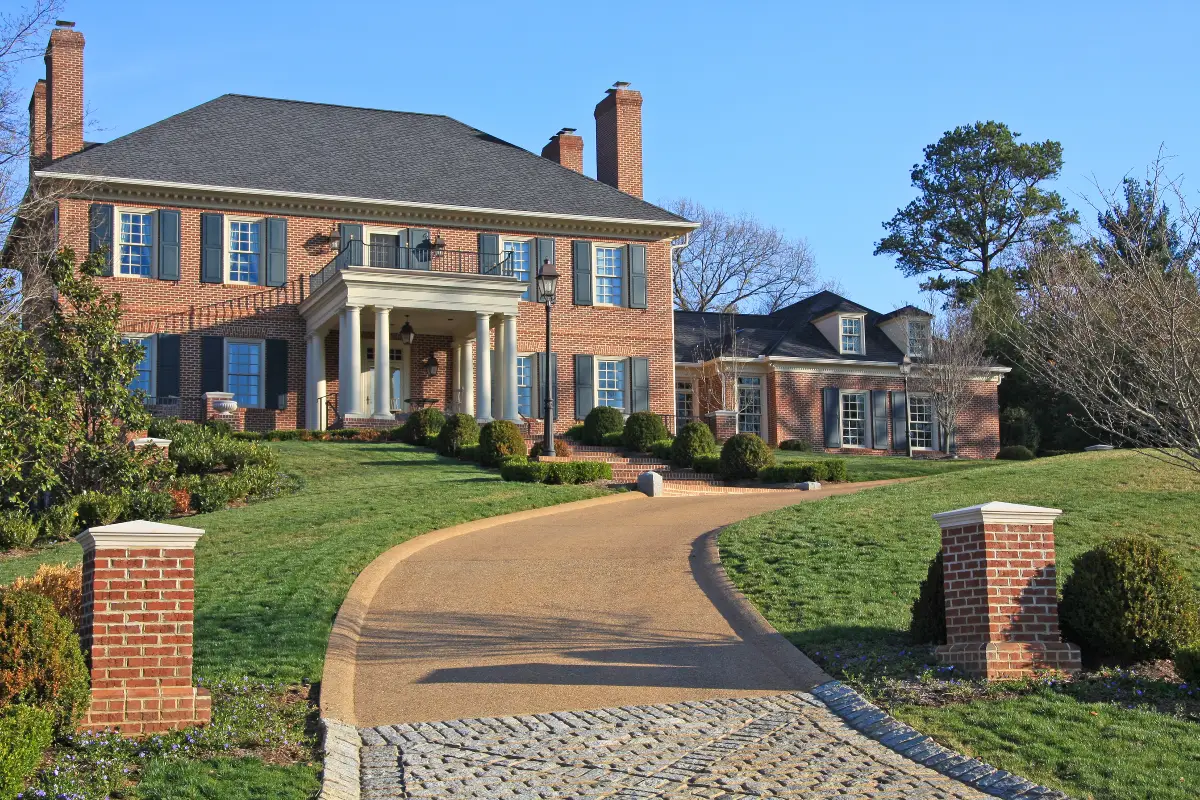
A calm rental experience rarely happens by accident. In many cases, it starts with choosing assets that support stability instead of constant troubleshooting, especially when early decisions follow a thoughtful next investment move. For residential owners in Nashville, single-family rentals often deliver that balance, offering fewer operational distractions while still aligning with long-term growth goals.
Demand for detached living continues to shape renter preferences nationwide. Home values climbed to $426,800 in the third quarter of 2025, reinforcing how strongly renters and buyers value space, privacy, and flexibility. In a fast-moving market like Nashville, those priorities directly influence how smoothly a rental performs once the lease is signed.
This article walks through why single-family rentals tend to operate with less friction, and how that structure supports residential owners who want clarity, control, and consistency.
Key Takeaways
- Single-family rentals reduce tenant conflict by eliminating shared living spaces.
- Private outdoor areas often lead to higher satisfaction and longer stays.
- Detached homes allow pricing flexibility without internal competition.
- Maintenance planning stays simpler when systems serve one household.
- Portfolio growth feels more manageable with gradual, residential-focused scaling.
Privacy That Keeps Small Issues From Escalating
Privacy plays a larger role in operations than many owners expect. This section looks at how lower density translates into fewer daily disruptions.
One household, clearer expectation
Multifamily properties stack routines, systems, and personalities into one structure. That density makes it easier for small annoyances to spread, whether it’s noise, parking, or shared access points.
Single-family homes avoid most of that overlap. With one household per property, responsibilities are clearer and conflicts are less likely to spill over. For owners, that usually means fewer urgent messages and less time spent mediating disputes.
Simpler management boundaries
Without common areas to oversee, the focus stays on the property itself. There’s no need to manage shared amenities or enforce building-wide rules, which helps keep operations consistent and predictable for residential owners.
Outdoor Space That Supports Retention
Outdoor space has become a defining feature for many renters, especially those seeking flexibility beyond interior square footage.
Everyday benefits of private outdoor areas
Yards, patios, and driveways give tenants room to relax, host, and enjoy daily routines without relying on shared spaces. That independence often makes a rental feel more permanent, even if the lease term stays the same.
In Nashville, this appeal resonates with families, pet owners, and remote workers who value space that adapts to their lifestyle.
A wider applicant pool with fewer complications
Pet-friendly policies are easier to manage when tenants have outdoor access. A yard can reduce complaints tied to shared hallways or elevators while attracting renters who might bypass apartment living entirely.
When evaluating where to expand next, awareness of emerging Nashville areas can help align outdoor features with neighborhoods that support long-term demand.
Layouts That Adjust as Tenants’ Needs Change
Floor plans influence turnover more than many owners realize. Single-family rentals often perform well here because they allow tenants to stay comfortable as life evolves.
Space that flexes over time
Extra bedrooms, garages, and defined living areas allow tenants to adapt without relocating. A spare room can become an office, a guest room, or additional storage as needs shift.
That flexibility lowers the pressure to move, which helps owners avoid frequent vacancies and turnover expenses.
Stability that protects income
Each renewed lease saves on marketing, repairs, and downtime. Over time, adaptable layouts support steadier cash flow and reduce the operational strain tied to repeated move-outs.
Pricing Strength Without Unit-to-Unit Pressure
Pricing strategy looks different when rentals don’t compete against each other under the same roof.
Why multifamily pricing can feel reactive
In apartment buildings, similar units are often listed simultaneously. A single vacancy can lead to price adjustments across multiple units, which compresses margins and limits flexibility.
How single-family homes hold value
Detached rentals compete by location, condition, and features rather than direct comparison. Owners can price based on neighborhood demand and property quality without worrying about undercutting identical units.
National data supports this advantage, with reports showing single-family rents running 20% higher than multifamily rents. In Nashville, that gap reflects renter preference for space and privacy.
If marketing plays a role in your pricing confidence, strategies shared in rental marketing tactics can help position single-family homes effectively.
Maintenance That Stays Contained
Maintenance is often where property structure makes the biggest difference. This section highlights why single-family rentals feel easier to plan around.
Isolated systems reduce complexity
In a detached home, plumbing, HVAC, and electrical systems serve one household. When repairs arise, the scope stays contained. Scheduling is simpler, and budgets are easier to forecast.
Fewer ripple effects
Shared systems can turn one repair into several. In multifamily properties, a plumbing issue might require access to multiple units. Single-family homes avoid that cascade, keeping repairs more predictable.
Clear documentation also supports smoother reporting. Insight into owner statement details can help residential owners track maintenance costs accurately throughout the year.
Risk and Insurance With Clearer Lines
Risk management tends to be more straightforward when fewer shared liabilities are involved.
Easier coverage decisions
Single-family rentals typically involve simpler insurance structures. With fewer common areas and shared systems, coverage decisions are easier to align with actual exposure.
Staying prepared for changes
Insurance requirements can shift, and residential owners benefit from staying informed. Guidance on insurance updates helps ensure coverage stays current without last-minute adjustments.
Scaling at a Pace That Feels Sustainable
Growth looks different for every owner, but single-family rentals often support a more controlled expansion style.
Add homes without overwhelming systems
Detached properties allow owners to scale gradually, adding one home at a time and adjusting reserves and workflows along the way. This approach reduces pressure and keeps oversight manageable.
Residential focus that supports consistency
At PMI Music City, we work exclusively with residential rentals. Our systems, vendors, and leasing processes are built around single-family realities in Nashville, helping owners grow without unnecessary complexity.
FAQs about Single-Family Rentals in Nashville, TN
How do single-family rentals fit Nashville’s residential lifestyle trends?
Many renters in Nashville value space, privacy, and flexibility as work and family routines shift. Single-family homes align well with those preferences, which can support steadier demand and longer lease commitments.
Do single-family homes attract different lease terms than apartments in Nashville, TN?
Detached rentals often see longer lease renewals because tenants are less likely to outgrow the space quickly. This can reduce turnover frequency and help owners maintain more consistent occupancy.
What role does neighborhood location play for single-family rentals in Nashville, TN?
Neighborhood amenities, school zones, and commute access strongly influence demand. Single-family rentals benefit when they are positioned in areas that support everyday routines and long-term living.
Are operational decisions simpler with single-family rentals in Nashville, TN?
Yes. Fewer shared systems and no common areas mean decisions are typically more straightforward, which helps owners manage repairs, communication, and scheduling with less administrative complexity.
Can single-family rentals support both short-term and long-term investment goals in Nashville, TN?
They can. These properties often balance steady income with appreciation potential, making them flexible assets for owners focused on either ongoing cash flow or gradual portfolio growth.
Where Residential Strategy Meets Real Results
Strong rental performance doesn’t come from chasing trends. It comes from choosing property types that work with you, not against you. In Nashville, single-family rentals create breathing room for residential owners by reducing operational drag and giving each property the chance to perform on its own merits. That breathing room adds up to clearer decisions, steadier cash flow, and fewer surprises competing for your time.
At PMI Music City, we focus exclusively on residential properties, which means our approach is built around what actually works for single-family ownership in this market. From planning and leasing to maintenance coordination and reporting, we help you turn structure into consistency. Take control of your rental direction by connecting with us through our ownership support options and move forward with a strategy designed to last.
